
Why Youth Conflict Is Rising—and What Actually Helps
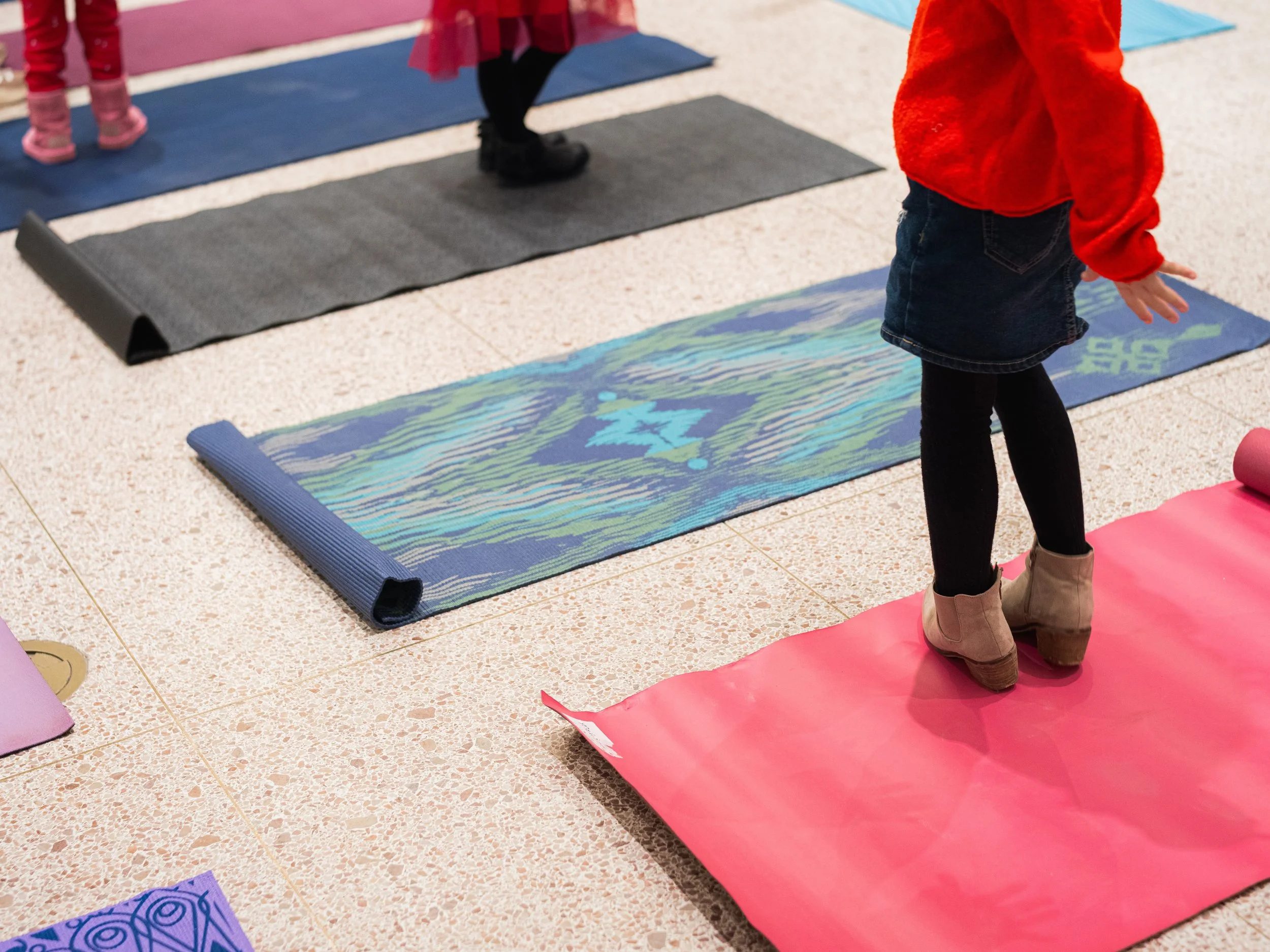
Image of multi-colored yoga mats with a young girl standing on a mat with brown boots on.
Across schools and communities, adults are noticing a troubling trend: youth conflict is rising. More frequent behavioral incidents, heightened emotional reactions, and challenges with peer relationships are no longer isolated concerns. They are becoming the norm. This increase is not about young people being “more difficult,” but about young people carrying more. Today’s youth are navigating unprecedented levels of stress shaped by community violence, academic pressure, social media exposure, economic instability, and lingering impacts of the pandemic. When stress accumulates without adequate support, it often shows up as conflict.
At the core of this issue is nervous system overload. Many young people are spending large portions of their day in a state of survival: fight, flight, or freeze; rather than in a regulated state that allows for learning, problem-solving, and connection. When a child lacks the tools to recognize and regulate what they are feeling, emotions can escalate quickly into arguments, shutdowns, or physical altercations. In these moments, traditional discipline-focused responses often miss the mark because they address behavior without addressing the underlying stress driving it.
What actually helps is a shift from control to connection. Youth need consistent opportunities to build self-regulation skills, emotional awareness, and coping strategies, before conflict occurs. Practices such as mindful movement, breathing, grounding, and body-based regulation support the nervous system in real time, helping young people slow down, feel safer in their bodies, and make more thoughtful choices. When these tools are taught proactively and reinforced consistently, youth are better able to pause, communicate, and navigate conflict in healthier ways.
Equally important is the role of adults and systems. When educators, staff, and caregivers are supported in understanding trauma, stress responses, and healing-centered approaches, environments become more predictable and relational rather than reactive. Youth are more likely to de-escalate when they feel seen, heard, and respected. Safe, affirming spaces; paired with clear expectations and supportive relationships, create the conditions where resilience can grow.
At The Oxygen Project, we believe conflict is not a failure, it’s information. It tells us where support is needed, where stress is concentrated, and where healing must happen. By prioritizing regulation, wellness, and relationship-building, we can move beyond punitive cycles and toward solutions that truly support youth well-being. When young people are given tools to breathe, regulate, and reconnect, conflict decreases and resilience takes its place.
